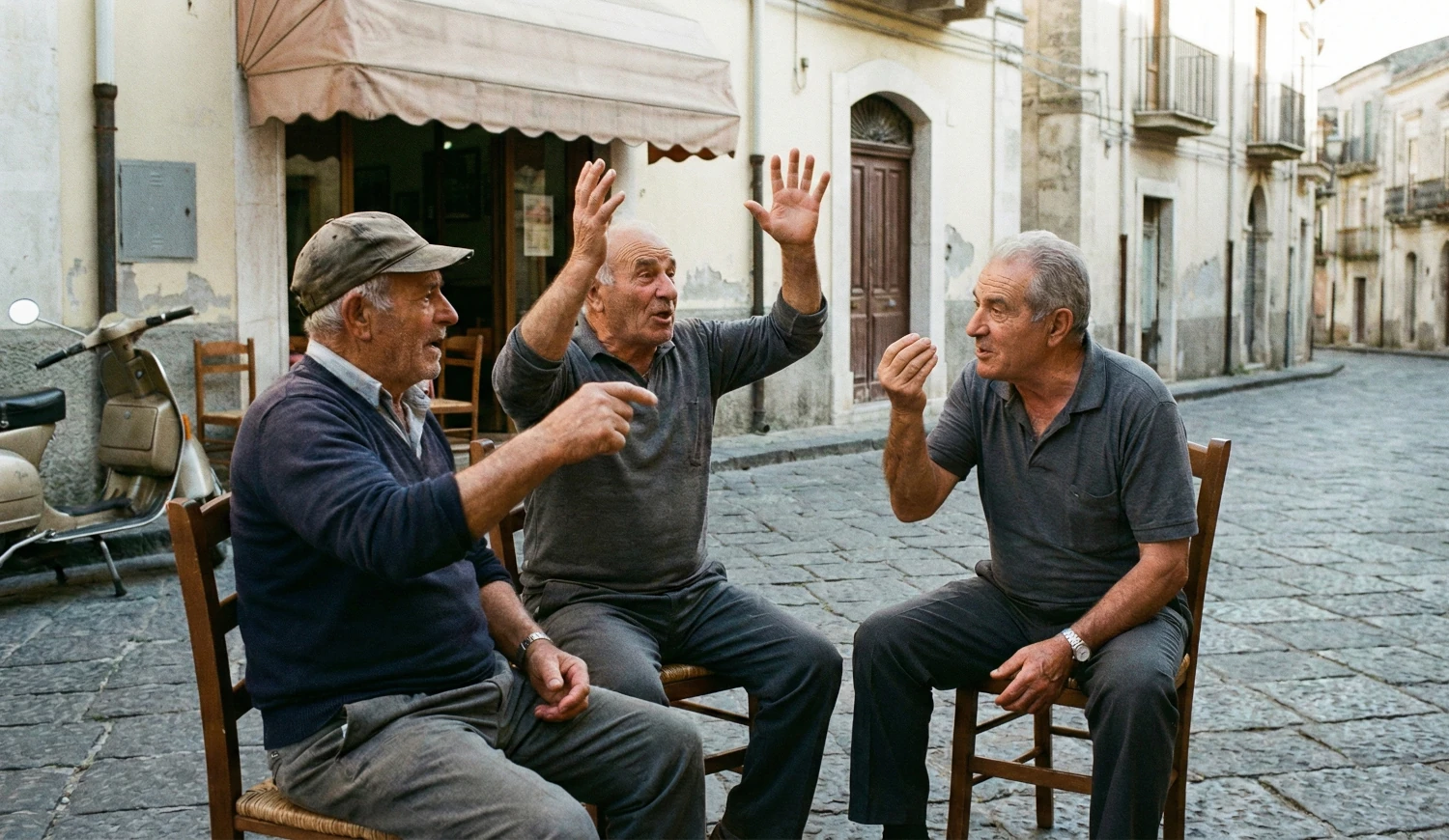
Due to globalisation most of the cultural differences are diminishing, especially in huge cities, but here are 7 still existing differences:
1. Head nodding
Most of the people consider head nodding as “yes” and shaking it from side to side as “no”. However, in Bulgaria, Turkey and Albania for example, the reverse is true and nodding of the head indicates “no”.[1]
2. Kissing
In some countries, for example France, kissing is used as a normal greeting. On the other hand, there are countries (especially islamic and eastern) where kissing in public is viewed as improper, even for couples.[2][3]
3. “OK” sign
Or actually not so ok. Forming an ‘O’ with the thumb and forefinger means “Okay” in much of the world, but in some regions it can also mean zero or worthless (eg. France, Tunisia), coins (eg. Japan) or an asshole (many parts of Latin America).[4]
4. Handshakes
Handshake is a widely accepted form of greeting, however there are different expectations about it.
In western countries a strong handshake is usually considered as a sign of confidence, whereas in eastern regions a strong handshake is perceived as rather aggressive. With that being said, obviously no one likes a very strong, nearly painful handshake, wherever it will be.
Also, in many islamic countries men never shake hands with women outside their family.[5]
5. Tapping your own forehead
Usually quite dynamically and with an index finger, means “You’re crazy!” in the Netherlands and Poland, but it’s a sign of intelligence in Russia.
6. Frequency of touch
You probably have heard about how much Italians gesticulate or how often Latinos touch each other, as opposed to Japanese or Chinese people, where the same amount of touching would be viewed as inappropriate.[6]
7. Crossing legs
Sitting with crossed legs is very common in Europe and North America and it’s usually viewed as a sign of being relaxed or confident.
In many Asian cultures, however, sitting with crossed legs is considered as rude, because it makes you look like you have an attitude or like you're self-important.
It’s something to be careful about, especially in formal settings.[7]